Chapters to explore
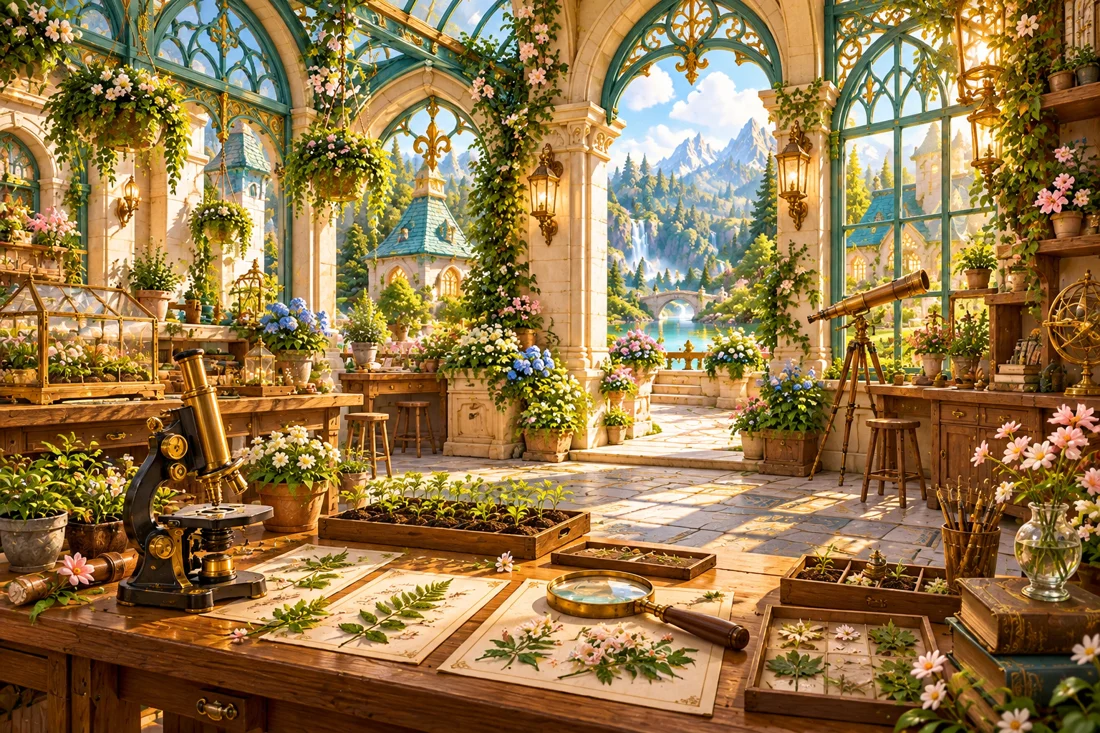
Plants and their parts
Many familiar plants have roots, stems and leaves. Roots anchor the plant and take up water. Stems support leaves and carry water. Leaves use light to help make food. Flowers can help plants reproduce. Plants are living things, not decorations that stay unchanged.
Try it: Observe a plant and draw its visible parts. Do not pull it out of the ground.
Animals and their senses
Animals have different body parts and ways of moving. Many familiar animals use eyes to see, ears to hear and noses to smell. Humans are animals too. Our senses help us gather information, but people may sense and communicate in different ways.
Try it: Describe two familiar animals using observable features and a respectful comparison.
Objects and materials
An object is a thing we use or observe. A material is what it is made from. A cup can be made from glass, metal or plastic. Materials have properties such as hardness, flexibility and transparency. One object can contain several materials.
Try it: Choose three safe objects. Name their materials and describe one property of each.
Weather and seasonal change
Weather describes conditions now, such as sunshine, rain, wind and temperature. Seasons describe recurring parts of the year. Seasonal patterns depend on where you live. The northern and southern hemispheres have opposite seasons; not every place has snowy winters.
Try it: Keep a five-day weather picture diary. Record what you actually notice.
Observing and sorting
Scientists look carefully and describe what they notice. Sorting uses a chosen rule, such as colour, shape or material. A different rule can produce different groups. An observation is what you notice; a guess about why it happens needs checking.
Try it: Sort safe objects in two ways and explain both rules.
Simple comparisons
A comparison looks for similarities and differences. If we test which paper absorbs more water, use equal pieces and the same amount of water. Record the result instead of choosing the result you hoped for. Ask an adult before trying an investigation.
Try it: With an adult, compare safe absorbent papers and draw the results.
Observe using senses safely
Senses help gather information, but not every object is safe to touch, smell closely or taste. Use sight and adult-approved methods. Describe what you notice before explaining it. Tools such as a magnifier can reveal detail.
Try it: Observe a safe object with an adult and record three features.
Animals and what they need
Animals need suitable food, water, air and conditions to live. Different animals have different needs. Observe wildlife without disturbing it and follow adult guidance for pets. Caring means learning what suits the animal, not assuming it wants what we want.
Try it: Compare the needs of two familiar animals using a reliable source.
Ask and compare a simple question
A scientific question can be explored through observation or a suitable comparison. Predict what you think will happen, then notice the result. A prediction can be wrong without making the investigation a failure. Describe what actually happened.
Try it: Plan an adult-approved comparison using safe materials.